Melbourne Orlando International Airport
IP intercom, access control, CCTV, and electrical infrastructure delivered in a live airport environment — where continuity, clearance, and coordination are non-negotiable.
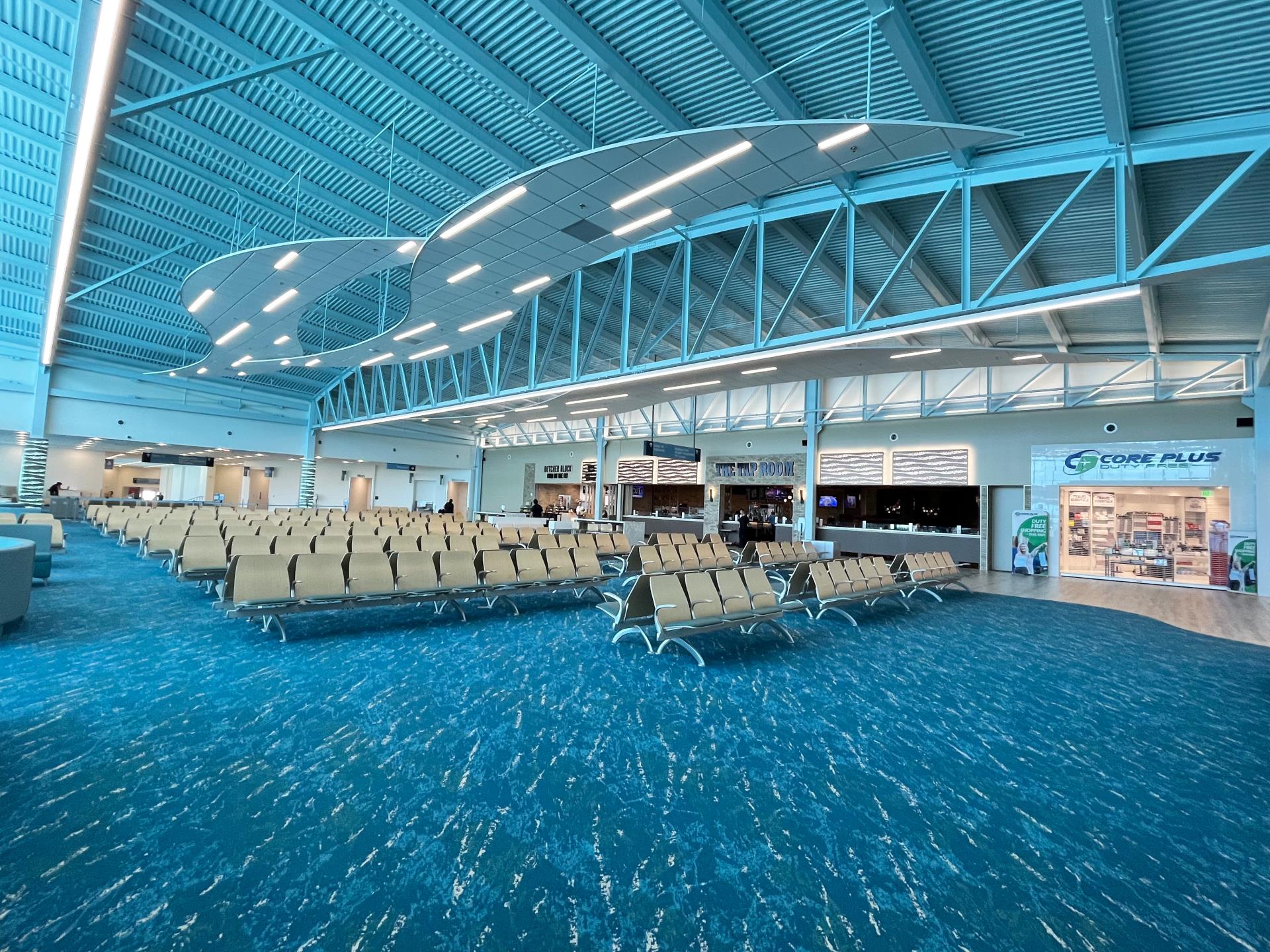
You Can't Shut Down an Airport to Install Infrastructure
Active airport operations mean restricted zones, escorted access, and zero tolerance for unplanned disruption. Standard construction sequencing fails here — so AES plans around operations, not the other way around.
- Continuity-first execution windows planned around flight and passenger operations
- Restricted-zone access with escort-governed mobilization and safety protocols
- Multi-stakeholder coordination across airport operations, facilities, and inspectors
- Phased turnover and documentation for long-term maintainability in a live facility
Project Case Studies
AES infrastructure work at Melbourne Orlando International Airport spans security, communications, and electrical systems in one of Brevard County's most demanding active-operations environments.
Melbourne Orlando International Airport
Commercial access control, CCTV, and IP intercom systems contractor delivering airport-wide communications upgrades, security infrastructure, and ongoing electrical and system expansion in an active operations environment.
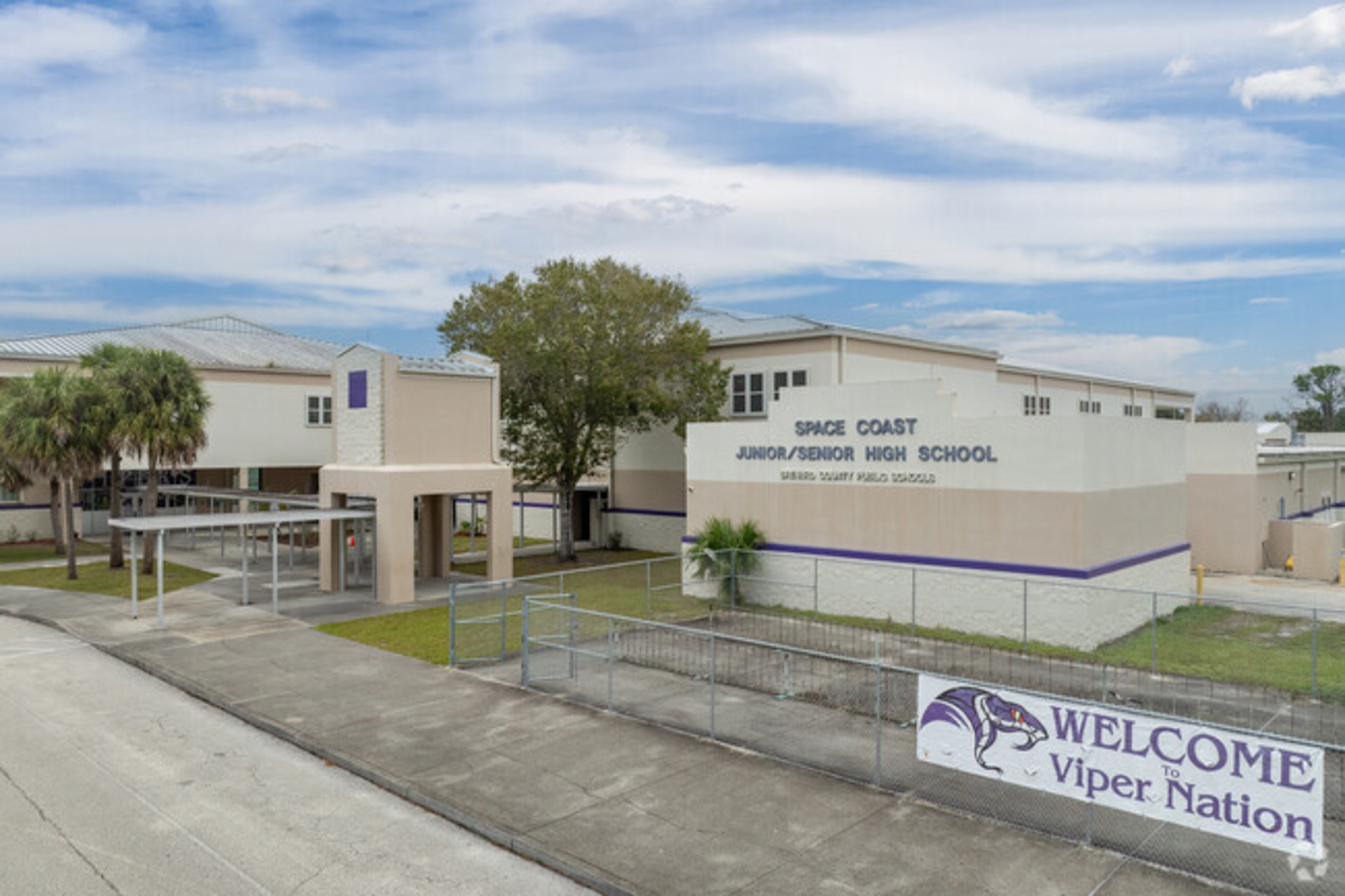
Space Coast Jr/Sr High School
Structured cabling, IP intercom, and integrated electrical systems contractor supporting campus-wide infrastructure delivery for Brevard Public Schools.
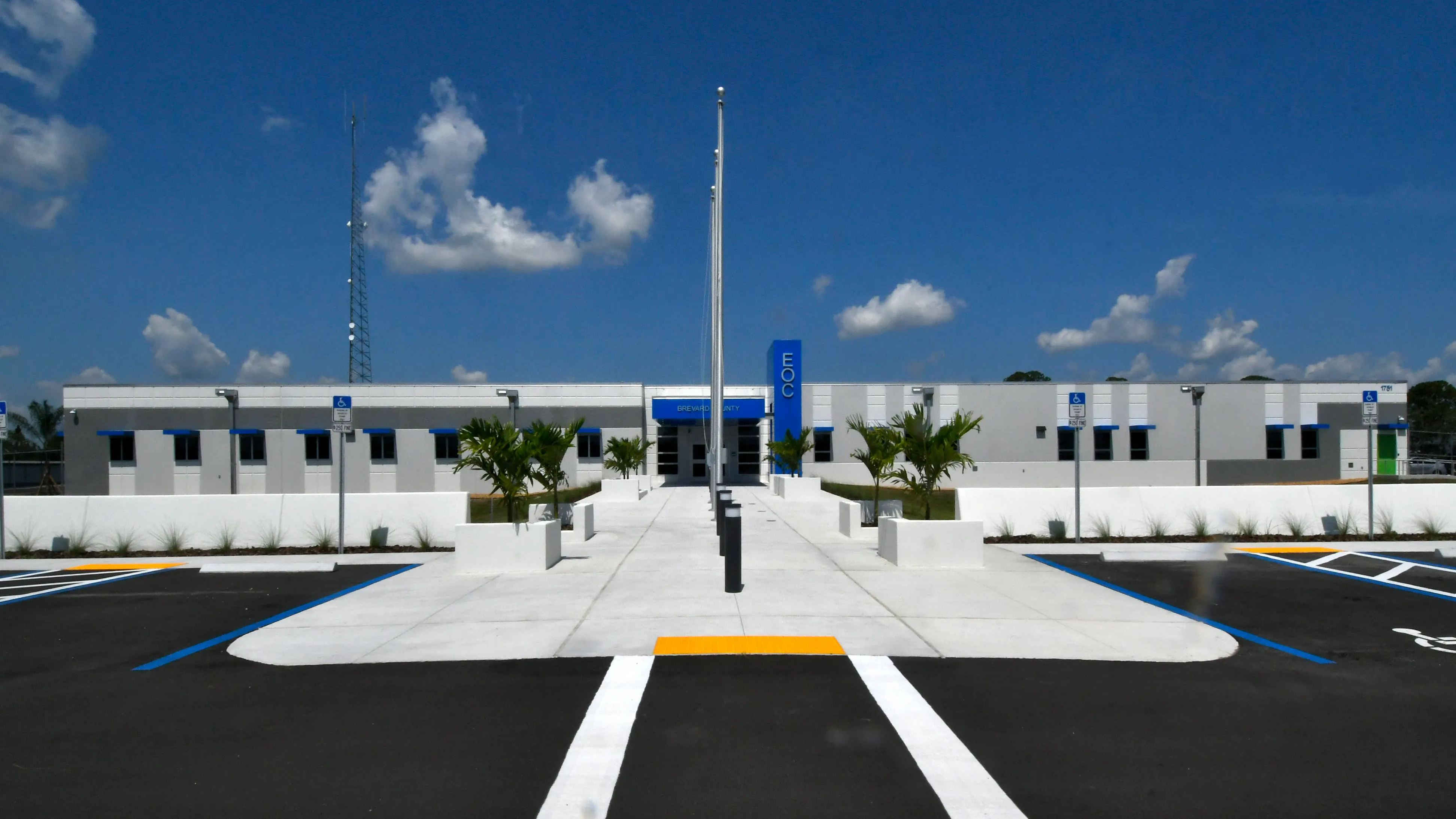
Brevard Emergency Operations Center
Critical facility electrical, communications, and security systems contractor supporting emergency operations infrastructure and coordinated system performance.
Measurable Delivery in a Regulated Environment
The Airport project is measured by what didn't happen: no unplanned disruptions, no handoff gaps, and no separate contractors pointing at each other during closeout.
- Multi-year relationship supporting ongoing expansion and system upgrades
- Security, telecommunications, and electrical scopes under one contract
- IP intercom and communications pathways delivered across terminal and support zones
- Access control and CCTV infrastructure installed in security-sensitive circulation areas
Divisions Exercised on This Project
For general contractors and facility managers evaluating AES multi-division delivery — the Airport project exercised all three AES divisions as one coordinated infrastructure scope.
Electrical
Power distribution, service support, and dedicated circuits for operational and security loads across airport facilities.
Telecommunications
IP intercom, structured communications pathways, and network infrastructure supporting airport operations.
Security
CCTV surveillance and access control systems installed in restricted and public circulation zones.
Related AES Projects
Explore other AES projects that demonstrate multi-division delivery in critical environments.
Brevard Emergency Operations Center
Critical-facility security, access control, and resilient power infrastructure for mission-support operations.
Space Coast Jr/Sr High School
Campus fiber backbone and structured cabling delivered in an occupied K–12 environment.
Ready to Discuss Your Project?
Planning infrastructure in an active-operations or security-sensitive facility like Melbourne Orlando International Airport? Our estimating team is ready.